
Future Education for a Smarter Tomorrow
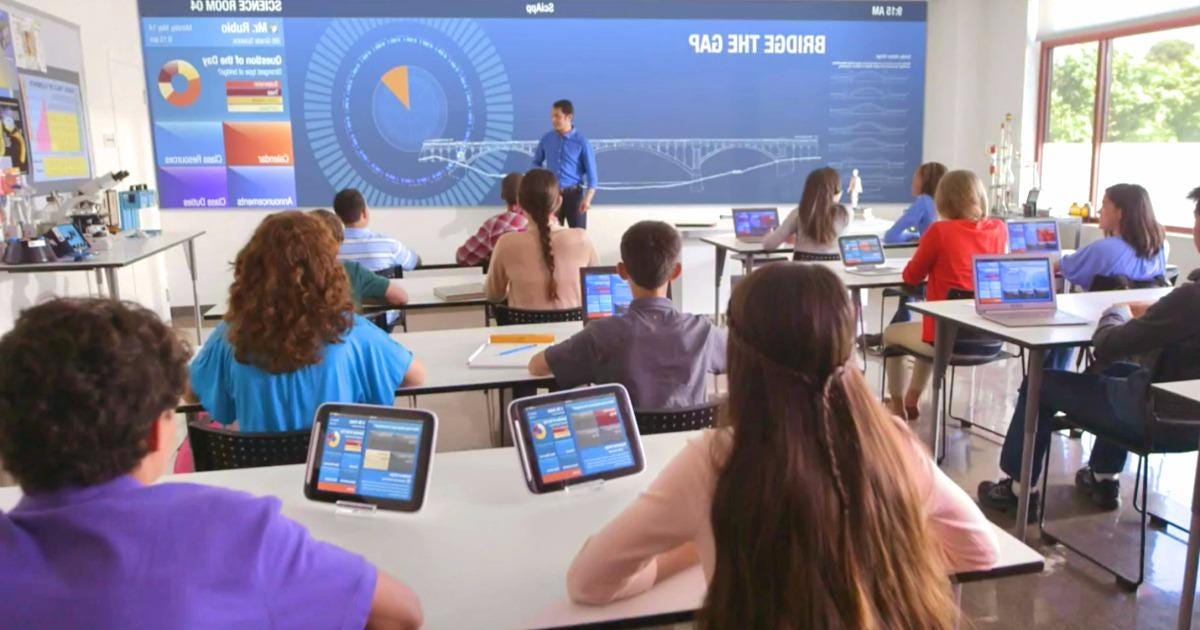
The landscape of education is experiencing a bold reinvention. The rigid structures of traditional schooling are being reshaped by innovation, technology, and a deep understanding of how learners thrive. In this thrilling transformation, smarter future schooling is becoming the cornerstone of tomorrow’s success.
Redefining What It Means to Learn
Learning is no longer confined to four walls, a blackboard, and a bell schedule. Instead, it is fluid, learner-centric, and designed to nurture adaptability. The future classroom is a dynamic environment where students don’t just memorize—they engage, question, create, and collaborate.
Smarter future schooling embraces this shift by promoting a model where critical thinking, empathy, and digital literacy stand at the forefront. The goal? To raise lifelong learners equipped for a world that evolves faster than ever before.
Personalized Pathways to Excellence
Not all students absorb knowledge in the same way—and that’s something to celebrate. Through artificial intelligence and machine learning, educational content can now be personalized in real time. Whether a student excels in visual learning, auditory processing, or hands-on experimentation, their academic experience can be fine-tuned accordingly.
Platforms that analyze performance metrics and learning behaviors are now central to smarter future schooling. They adjust lesson plans automatically, providing extra support where needed and acceleration where appropriate. This level of customization helps build confidence while optimizing outcomes.
Blending Physical and Digital Realities
The hybrid classroom is here to stay. It blends face-to-face learning with virtual exploration, breaking down the limitations of location and time. Students in remote villages can attend the same virtual seminar as those in metropolitan schools. With just a stable internet connection, the entire globe becomes a learning playground.
Immersive tools like virtual reality (VR) and augmented reality (AR) allow students to explore coral reefs, dissect virtual organs, or walk through planetary systems. Smarter future schooling leverages these experiences to deepen comprehension and spark curiosity.
Lifeskills Over Lectures
The job market of the future demands more than textbook knowledge. It asks for innovation, collaboration, emotional intelligence, and tech fluency. That’s why forward-thinking educators are turning away from rote memorization and toward competency-based learning.
In this paradigm, students work on real-world projects that test not only academic understanding but also problem-solving abilities, ethical decision-making, and entrepreneurial thinking. Smarter future schooling embeds these life skills directly into the curriculum, ensuring graduates are prepared not just to pass tests, but to lead lives of purpose and impact.
Inclusivity Through Innovation
Education in the future must be universally accessible. Technology makes this possible by reducing barriers related to language, mobility, or cognitive ability. Speech-to-text tools, customizable font sizes, real-time translation, and adaptive content delivery ensure every learner has a fair opportunity to excel.
Moreover, culturally diverse content and representation in digital materials foster a sense of belonging. In smarter future schooling, no student feels like an outsider—because inclusivity isn’t an afterthought; it’s foundational.
Teachers as Facilitators and Innovators
The role of the teacher is evolving from sole knowledge dispenser to mentor, guide, and co-learner. Educators now curate resources, facilitate collaboration, and coach students toward independent thought.
Professional development programs are being updated to train teachers in emerging pedagogies, digital tools, and emotional intelligence. In smarter future schooling, teachers are empowered—not replaced—by technology, and their human connection remains irreplaceable.
Learning Beyond Classrooms
Education is extending its reach into everyday life. Mobile apps, podcasts, online communities, and gamified platforms allow learning to happen anytime, anywhere. A walk in the park becomes a botany lesson; a video game introduces logic and coding.
This continuous learning ecosystem nurtures curiosity and keeps minds active far beyond the school day. Smarter future schooling builds this flexibility into its core structure, encouraging students to explore knowledge on their own terms.
Data-Driven Decision Making
Modern education is becoming more data-literate. From attendance and engagement rates to assessment analytics and emotional wellness indicators, schools can make informed decisions that enhance student success.
Real-time dashboards allow educators to intervene early, celebrate progress, and fine-tune instructional strategies. In this way, smarter future schooling becomes a living, responsive system that adapts to the pulse of its learners.
Environmental Responsibility in Curriculum
The future belongs to those who can protect it. Climate education, sustainability science, and eco-conscious habits are now being woven into school programs worldwide. Students are learning not only about recycling but about systems thinking, ecological interdependence, and circular economies.
By integrating environmental stewardship into education, smarter future schooling is raising a generation that values the planet as much as productivity.
A Future Worth Building
The education systems of tomorrow are not built with bricks alone—they’re shaped with vision, courage, and a relentless commitment to relevance. The fusion of technology, empathy, personalization, and purpose makes smarter future schooling more than an ideal—it makes it a necessity.
As the world becomes more interconnected, unpredictable, and fast-paced, education must keep up. Thankfully, it is. The movement toward smarter, more inclusive, and future-ready schooling has begun—and it holds the promise of a brighter, more capable, and more compassionate tomorrow.